Why AI changes how governments should think about capacity building
For a decade, public learning platforms have taught millions of officials what to know. Whether those officials can actually do the job is a harder question, and AI is the first thing that makes it answerable.
Nobody boards an aircraft hoping the pilot watched enough instructional videos. Pilots read the manuals and sit the examinations. Then they spend hundreds of hours inside a simulator, practising the landing that goes wrong, the approach in weather, the failure that has to be handled in ninety seconds. Aviation worked this out long ago: reading about flight and flying an aircraft are different activities. Every difficult approach is repeated until it becomes instinct, and every mistake leaves a record instead of a crater.
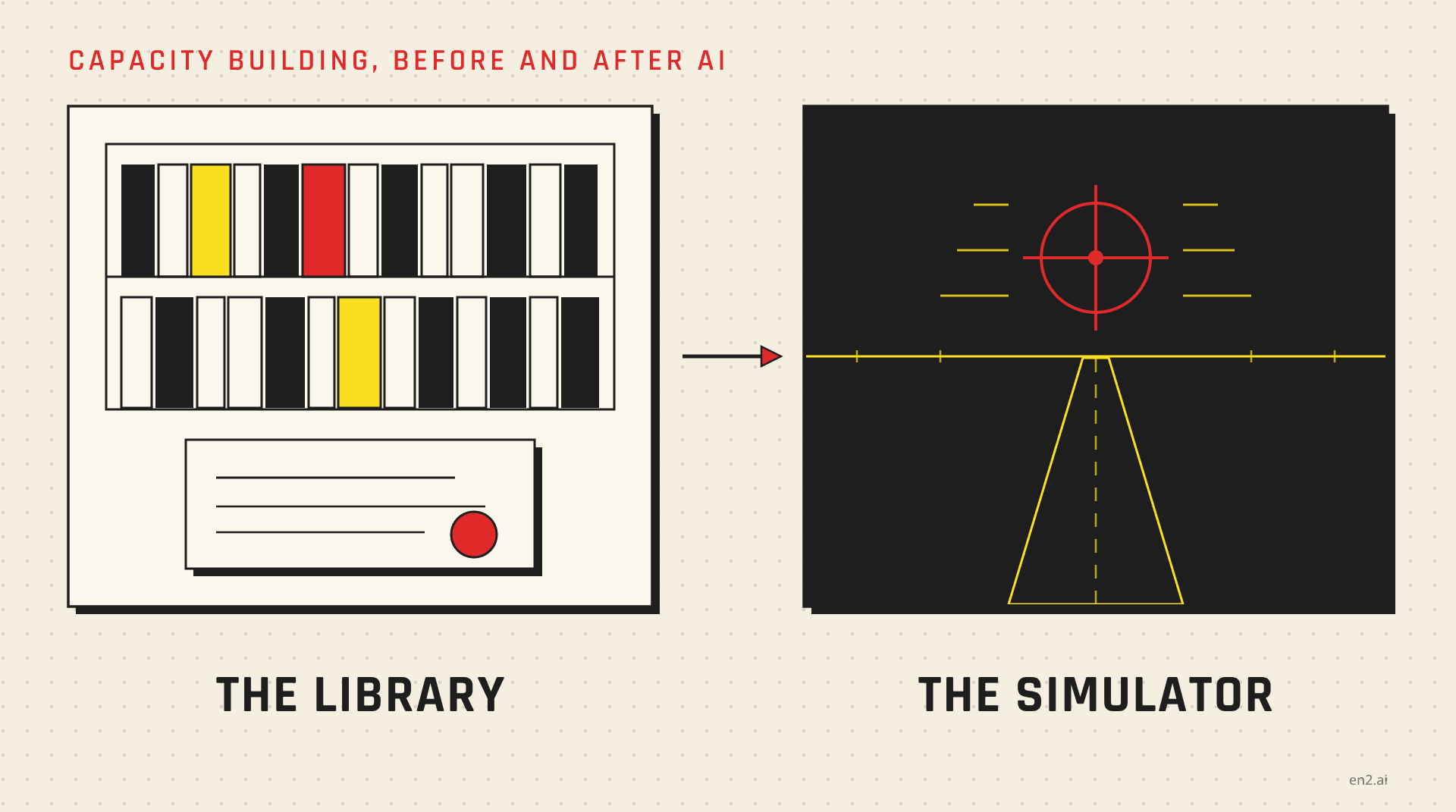
Most government learning platforms are built on the opposite premise. They appear to be libraries pretending to be flight simulators.
Over the past decade, governments made serious investments in digital learning infrastructure. Courses moved online, content became searchable, progress could be tracked and certificates issued at a scale that would once have seemed fantastical. Millions of public servants, scattered across departments, languages and geographies, gained access to learning that had been nearly impossible to deliver. It was a genuine achievement, and worth saying plainly.
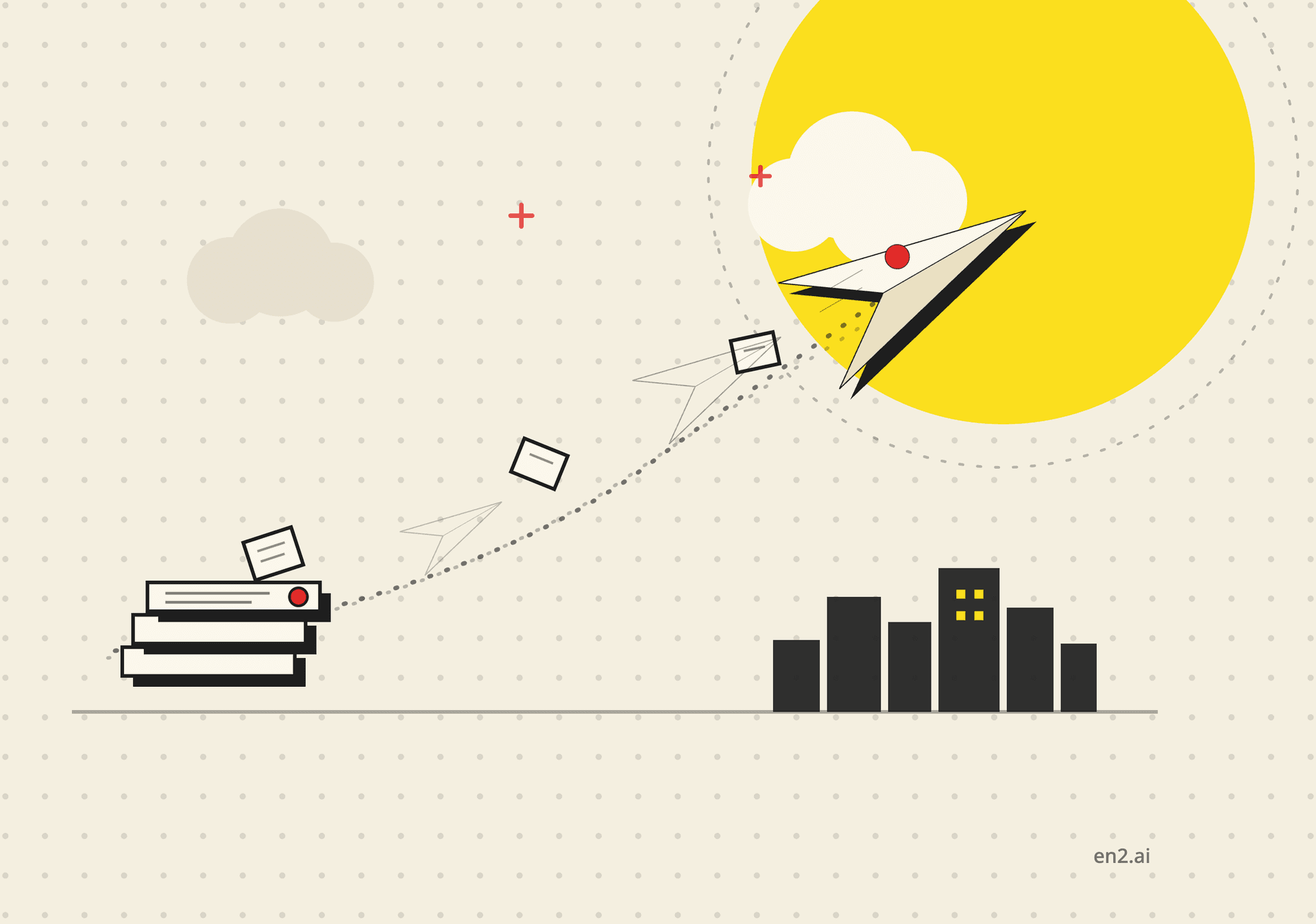
However, underneath the software, the model of learning barely moved. Knowledge was delivered, assessments checked recall, certificates marked completion, and capability was expected to emerge somewhere along the way. Sometimes it does. More often, capability is forged in exactly the situations no course can recreate.
Consider a panchayat secretary. On paper the role is administrative. In practice it is a continuous exercise in judgement. One morning she has to explain why a pension application was rejected. That afternoon she manages a disagreement that erupts during a Gram Sabha meeting. The next week she interprets a regulation that changed without warning, or helps a citizen navigate a system that can feel impossibly complex. These moments almost never come with a model answer. They demand procedural knowledge, communication, empathy and the ability to make a sound decision while holding on to public trust.
Preparation for all of it still revolves around content. The platforms have grown sophisticated. The theory of learning underneath them has not. A library keeps a careful record of what people have borrowed. It says almost nothing about what they can do, and that quiet gap sits at the centre of digital capacity building.
Governments did not end up here by misunderstanding learning. Watching someone do real work takes time. Judging it well takes experts. Feedback takes attention, and practice takes repetition. That arrangement is affordable for a few hundred pilots or surgeons. It collapses when the workforce is millions of teachers, health workers, agricultural extension officers, police personnel, and local officials. So the system measured what it could reach: attendance, completion, certification. All useful signals, but none of them answers the only question that finally matters: can this person do the job?
AI changes the economics of observation, and that is what makes this moment different.
A frontline worker can now step into a simulated conversation with a citizen, in her own language. The citizen might be anxious, impatient, confused, or plainly angry. The exchange unfolds one decision at a time. Each choice is scored against a defined competency framework and logged to an audit trail. Feedback arrives at once. Weak competencies surface where they can be seen. The scenario can be run again, and again, until the response stops being a guess. Practice becomes inexpensive and improvement becomes visible.
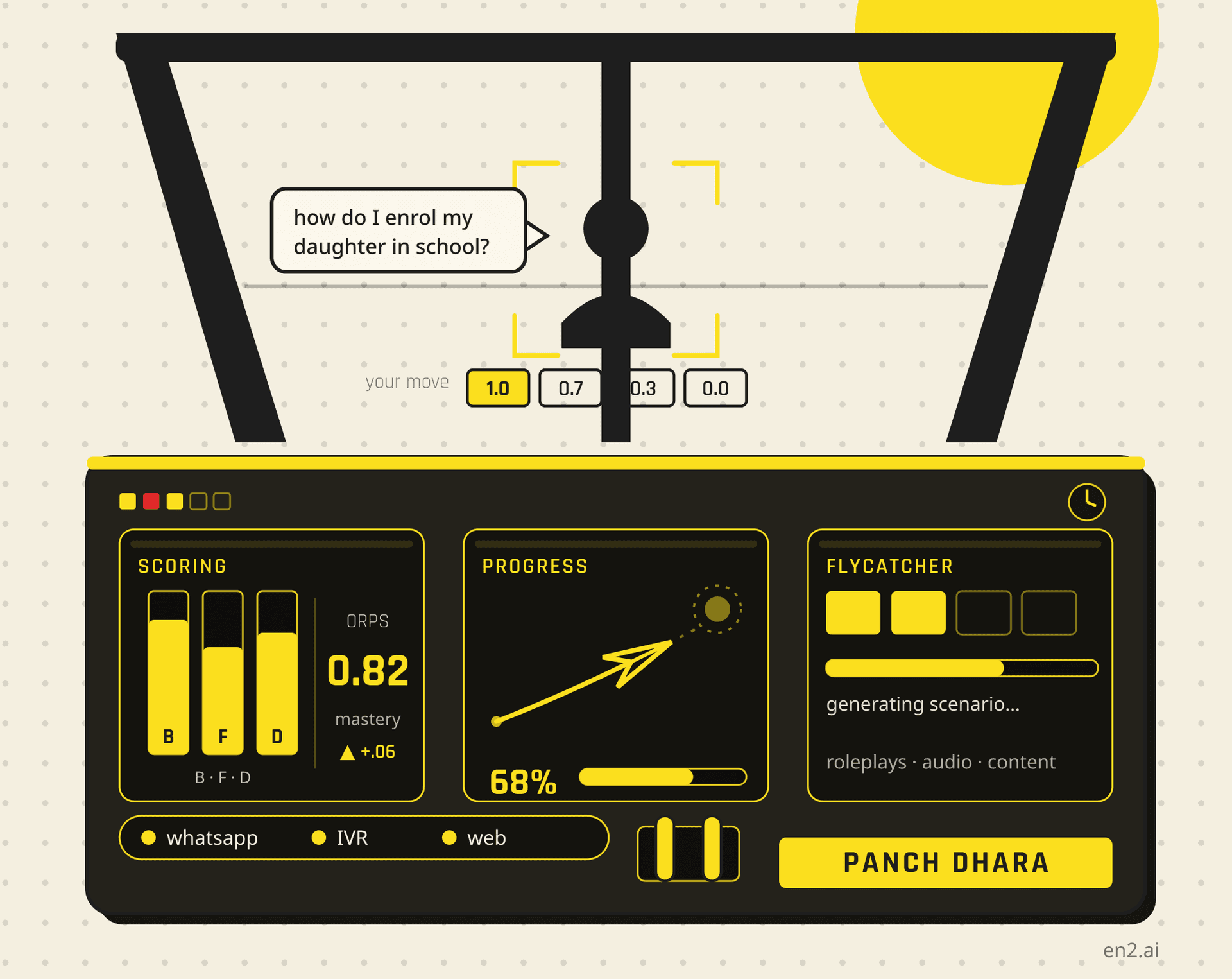
None of this removes the need for human judgement. A simulator is only as good as its scenarios. Competency frameworks have to be designed with care. Public administration is full of ambiguity that no roleplay fully captures, and experienced mentors remain indispensable precisely because they read context that no framework can encode. However, designing meaningful practice becomes more valuable than shipping another course, and the centre of gravity slowly shifts from distribution to rehearsal.
That shift changes what an institution can actually see about its own workforce. Completion data tells you a course was completed. Simulation data tells you where judgement is improving, where communication keeps breaking down, which competencies stay fragile under pressure and whether all that repetition is making a measurable difference. Content does not stop mattering; every profession rests on a body of knowledge. Knowledge simply loses its claim to being sufficient. The platform becomes a place where capability develops in view, where every attempt adds evidence and every retry sharpens the picture for learner and institution alike.
AI changes the economics of observation, and that is what makes this moment different.
This is why AI is more than another productivity upgrade for government learning. Faster content generation and personalised learning paths are genuinely useful, but they only make the existing system better. Simulation changes the system itself. For decades governments leaned on proxies for capability because they had no realistic alternative; direct observation was a luxury reserved for the few. AI makes it practical again, at scale.
Governments already know how to build digital libraries. The next task is to build places where people can rehearse the work they have been entrusted to do. Aviation grew safer because pilots had to demonstrate they could fly before they were allowed near a cockpit. Public capacity building has the same opportunity in front of it now.
The course remains. The certificate remains. But now, between knowing something and being responsible for it, there is finally room for a simulator.